报告题目:From Microreactors to Flow Chemistry to Sustainability
主讲嘉宾:Volker Hessel(阿德莱德大学)
报告时间:2026年6月9日(周二)10:00
报告地点:化工学院A316会议室
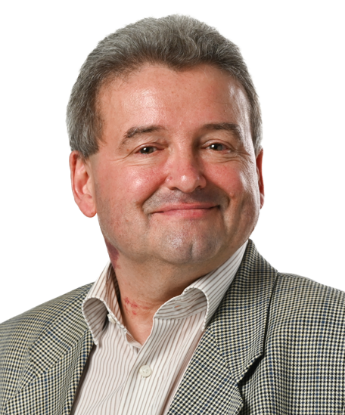
个人简介:
Volker Hessel教授,阿德莱德大学教授,阿德莱德大学安迪·托马斯空间资源研究中心研究主任,国际著名微反应器技术专家。其研究聚焦于新型微反应器与流动化学工艺的设计,并致力于将这些技术应用于健康、化学、能源、航天及农业食品等领域。Hessel教授已发表经同行评审论文900余篇,h指数为98,出版学术著作6部。曾获2007年美国化学工程师学会(AIChE)“工艺开发研究卓越奖”、2016年国际纯粹与应用化学联合会(IUPAC)ThalesNano流动化学奖,并获得了ERC高级资助、ERC概念验证资助、ERC协同资助以及FET开放资助。其直接研究资助总额超过4400万美元,此外还获得来自工业合同研究的1300万美元。Hessel教授现任新加坡总理公署下属国家研究基金会(NRF)专家组成员,并曾作为35人专家团队的一员,参与德国北莱茵-威斯特法伦州议会“化学工业的未来”调查委员会工作。同时,他还担任澳大利亚研究理事会(ARC)卓越中心“植物用于太空”项目的项目负责人。
报告摘要:
Technology disruption can offer solutions to a major societal or environmental challenge, to transform industries and redefine circularity. Microreactors have notably intensified mass and heat transfer and allowed safe operation in formerly explosive regimes. Yet this alone was not enough to break through to chemical industry. Their expansion in process capability towards Novel Process Windows (NPW) was instrumental to widen their use in chemistry to what is known today as flow chemistry. Key use of flow chemistry opportunities in main applications will be shown, including pharmaceutical synthesis, minerals processing, health nutrient extraction from biomass, fertiliser manufacturing, and e-waste recycling. Space experimentation is the ultimate disruptive barrier and modern playground for out-of-box thinking. Flow chemistry has been used, for example, for the formation of nanoemulsions for astronaut designer beverages and space medicine formulations. In a wider sense, diverse microflow-based formulation approaches have been designed with Prof. Lin, Wuxi University, e.g., the generation of suncreams. Plasma chemistry is another process intensification concept, and uses for nitrogen fixation (nitrate formation as ‘plasma activated water’) will be shown. The presentation will then overview how sustainability assessments can guide flow chemistry towards industrial use and will exemplify the potential of sustainability assessments at key examples